RCS vs. SMS: Key Differences & Which to Choose

KEY TAKEAWAYS
- SMS is universally accessible at 160 characters max, while RCS supports multimedia, read receipts, typing indicators, branding, and group messaging.
- SMS works on any mobile device without apps or upgrades, while RCS depends on carrier support and device compatibility, limiting reach.
- Choose SMS for broad reach, reliability, and critical communications; choose RCS for engagement, interactivity, and branding when audiences are tech-savvy.
- Textedly stands out as a leading SMS marketing platform with affordable plans, reliability, and a user-friendly interface for any business.
Effective communication is the cornerstone of successful business operations. As companies strive to engage customers, streamline internal messaging, and enhance overall connectivity, two powerful tools have emerged at the forefront: SMS (Short Message Service) and RCS (Rich Communication Services). While SMS has long been the reliable workhorse of text messaging, RCS offers a modern twist with richer features and capabilities.
In this blog, we'll dive into the relevance of both SMS and RCS in the realm of business communication. We'll explore how each technology can enhance customer interactions, drive engagement, and ultimately impact the bottom line. By the end, you'll have a clearer understanding of the strengths and limitations of both SMS and RCS, helping you make informed decisions about which platform best suits your business needs.
What is SMS?
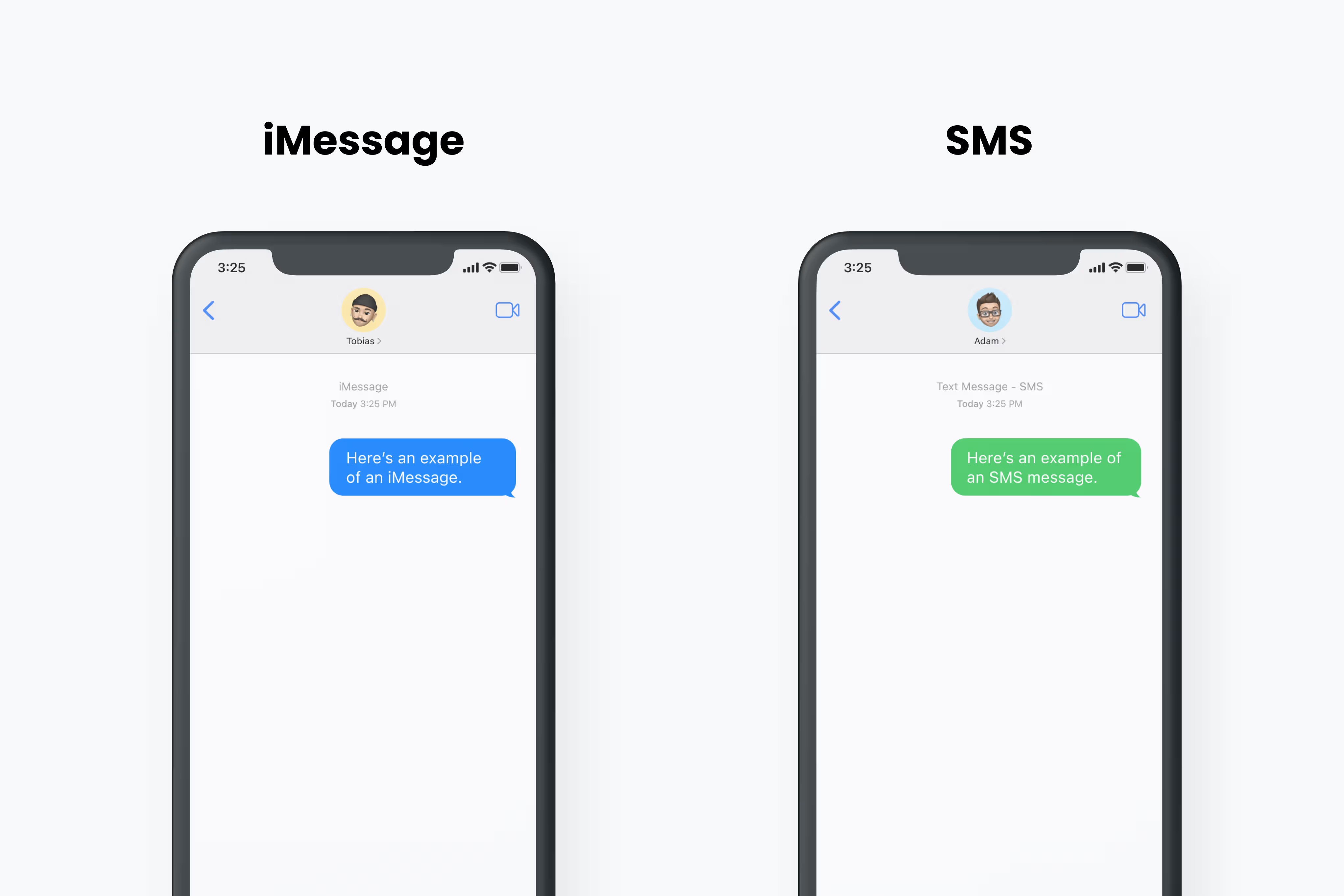
SMS, or Short Message Service, is a widely used communication protocol that enables the sending and receiving of short text messages over mobile networks. Typically limited to 160 characters, SMS is renowned for its reliability and simplicity, making it an ideal choice for both personal and business messaging. Key features of SMS include its immediate delivery, ease of use, and compatibility with nearly all mobile devices, regardless of operating system. Common use cases for SMS range from personal conversations and alerts to critical business communications such as appointment reminders, promotional messages, and two-factor authentication. Its global reach ensures that messages can be sent and received across different countries and networks, making SMS an essential tool for effective communication. Both for reaching out to customers and keeping in touch with friends, SMS remains a trusted method for conveying important information quickly and efficiently.
What is RCS?
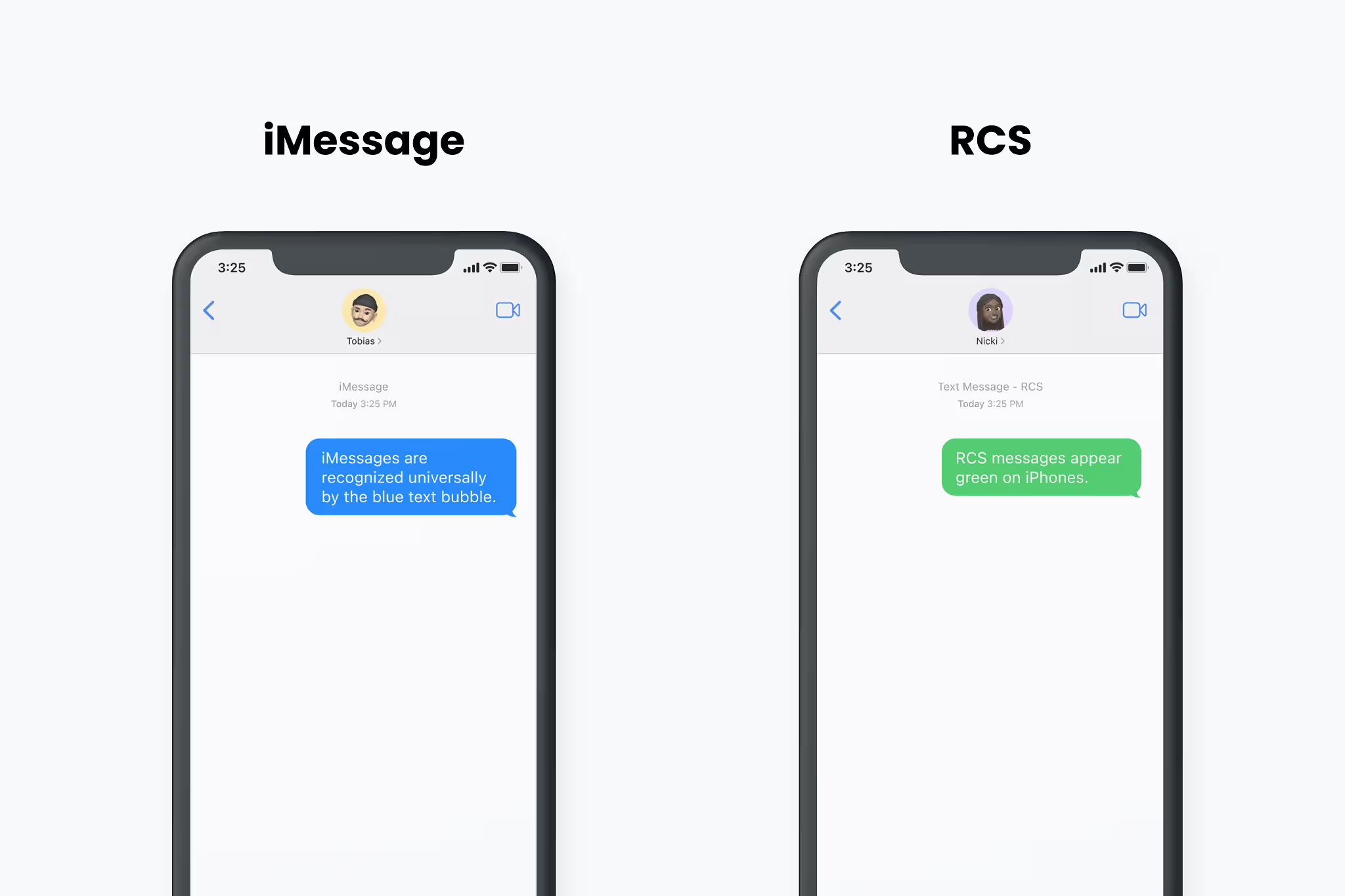
RCS, or Rich Communication Services, is an advanced messaging protocol designed to enhance traditional SMS by offering a richer, more interactive communication experience. Unlike SMS, which is limited to plain text, RCS supports multimedia sharing, allowing users to send images, videos, and audio files seamlessly. It also introduces advanced features like read receipts, typing indicators, and group messaging, creating a more engaging and informative conversation environment. Additionally, RCS allows businesses to incorporate branding elements, such as logos and color schemes, into their messages. However, RCS's availability can be limited, depending on carrier and device support. This means not all users may have access to its full range of features. As businesses look to modernize their communication strategies, understanding the capabilities and limitations of RCS is essential for leveraging its potential effectively.
Comparing SMS and RCS: Key Differences
When evaluating SMS and RCS for business communication, it's important to understand their key differences across several dimensions:
Cost and Availability: SMS is universally accessible and can be used on virtually any mobile device without the need for special apps or upgrades. This broad accessibility makes SMS a go-to choice for businesses seeking reliable communication. In contrast, RCS has more limitations; its availability depends on both carrier support and device compatibility. Not all users may have RCS enabled, which can restrict its reach compared to the ubiquity of SMS.
Features and Functionality: SMS is primarily text-based and limited to 160 characters, which can restrict engagement. RCS, however, offers a wealth of advanced features, including multimedia sharing (images, videos, audio), interactive buttons, and rich media experiences. This makes RCS particularly appealing for businesses looking to create immersive customer interactions, such as product showcases or personalized messaging campaigns. RCS also supports branding elements, which can enhance the customer experience and brand recognition in ways SMS cannot.
Delivery and Reliability: SMS is known for its exceptional reliability, delivering messages quickly and consistently, even in areas with poor network coverage. This universality is crucial for time-sensitive communications, such as alerts and notifications. RCS, while more feature-rich, relies heavily on network and carrier infrastructure; if the network is unstable or the carrier doesn’t support RCS, message delivery can be compromised. This difference in reliability is an important consideration for businesses that prioritize timely communication.
By weighing these differences, businesses can better determine which messaging platform aligns with their communication goals and customer engagement strategies.
Choosing Between SMS and RCS for Your Business
When it comes to selecting the right messaging platform for your business, understanding your audience, marketing goals, and available resources is key.
Opt for SMS when:
- Broad Reach is Essential: If your target audience spans diverse demographics and regions, SMS’s universal accessibility makes it the safer choice. It can reach anyone with a mobile phone, regardless of the device or carrier.
- Reliability is Critical: For time-sensitive communications—such as alerts, reminders, or emergency notifications—SMS offers unmatched reliability. Businesses that require guaranteed message delivery should consider SMS as their primary channel.
- Limited Resources are a Factor: If you’re operating on a tight budget or lack the technical infrastructure to implement RCS, SMS is straightforward and cost-effective, ensuring you can communicate effectively without extra investment.
Choose RCS when:
- Engagement and Interactivity Matter: If your marketing goals involve creating interactive experiences or showcasing products with rich media, RCS can elevate your messaging. It’s particularly beneficial for promotional campaigns where visual content can drive customer engagement.
- Branding is a Priority: For businesses looking to enhance their brand presence through customized messaging, RCS allows for greater branding opportunities, helping you stand out in a crowded marketplace.
- Your Audience is Tech-Savvy: If you’re targeting younger, tech-savvy customers who are likely to have RCS-capable devices, leveraging the enhanced features of RCS can result in more dynamic interactions.
Ultimately, the choice between SMS and RCS should align with your business needs and objectives. While SMS remains a reliable backbone for communication, RCS is an evolving platform that offers exciting opportunities for those ready to engage their audience in new and innovative ways.
Elevate Your Business Messaging with Textedly
In a world where effective communication is paramount, Textedly stands out as a leading SMS marketing platform that empowers businesses to connect with their audiences effortlessly. With its user-friendly interface, Textedly makes it simple to create and manage your messaging campaigns, ensuring that you can focus on what matters most—growing your business. Plus, with affordable pricing plans and the reliability of SMS, you can reach your customers with confidence, knowing your messages will land in their hands without fail.
Sign up for a free trial today and discover how easy it can be to engage your customers, drive sales, and enhance your communication strategy. Elevate your messaging with Textedly —your partner in effective business communication!
Related Articles



Your Customers Are Waiting
Send your first text in minutes—no contracts, no credit card, no hassle.